Growing Hope: The Story Behind RCCA's Community Nursery
Published: January 15, 2026
Category: Climate Action | Environmental Restoration
Growing More Than Trees—Growing Hope
At the Refugee Coalition for Climate Action (RCCA), every tree we grow represents more than a seedling. It represents hope, resilience, opportunity, and a commitment to building a greener future for refugees and host communities.
What began as a small nursery has grown into one of RCCA’s most ambitious community-led environmental initiatives. The journey has been filled with determination, partnership, setbacks, and remarkable resilience. Today, our nursery stands as a symbol of what communities can achieve when they are empowered to lead their own solutions.
A Humble Beginning
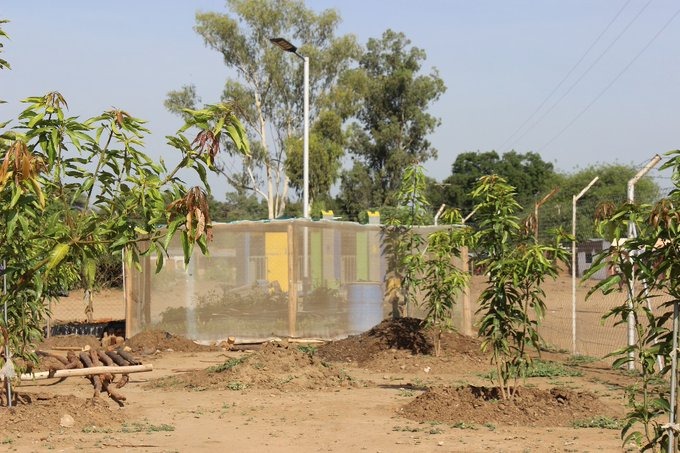
The story began in 2023, when RCCA established its very first nursery on a modest 14-square-metre site. Though small, it represented a bold vision—to restore degraded land, increase tree planting, and create sustainable livelihoods for young refugees.
This first milestone was made possible through the generous support of the Pollination Project Foundation, whose belief in our vision helped transform an idea into reality.
The nursery quickly became more than a place to raise seedlings. It became a learning centre where young people gained practical skills in environmental conservation, nursery management, and climate-smart agriculture.
Expanding the Vision
Encouraged by the success of the first nursery, RCCA expanded the facility in 2024 to 42 square metres with support from GlobalGiving.
As community demand for seedlings continued to grow, so did our ambition.
Tree planting campaigns, environmental awareness programmes, and community restoration initiatives were increasing across Tongogara Refugee Settlement. We knew that producing more seedlings locally would allow us to restore more land, support more households, and create additional opportunities for young people.
It became clear that the nursery needed to grow far beyond its original size.
Building an 800m² Community Nursery
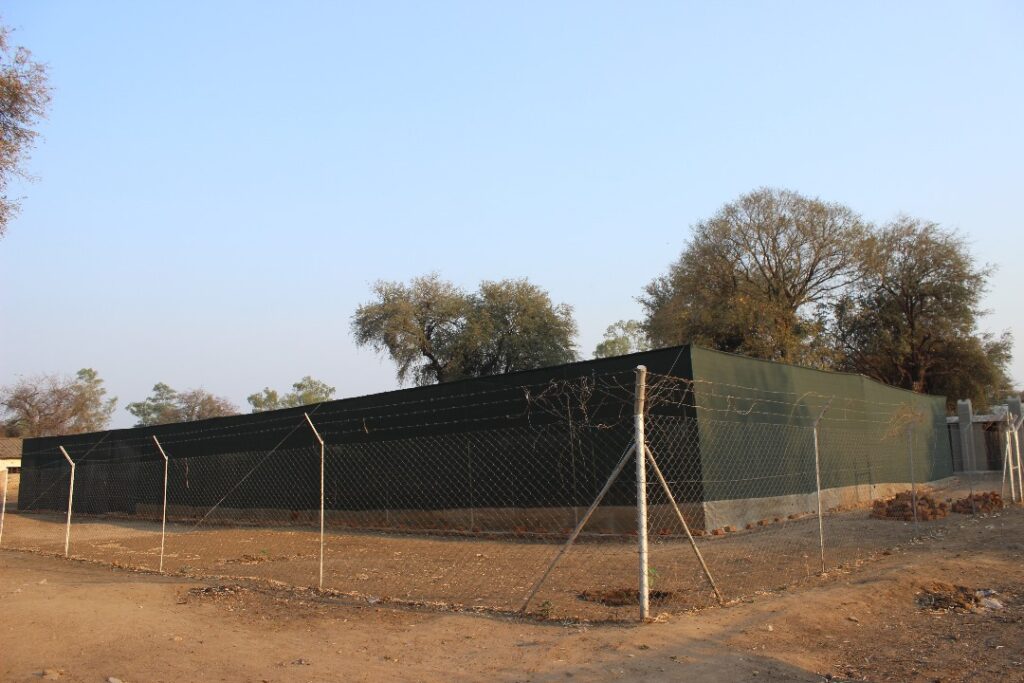
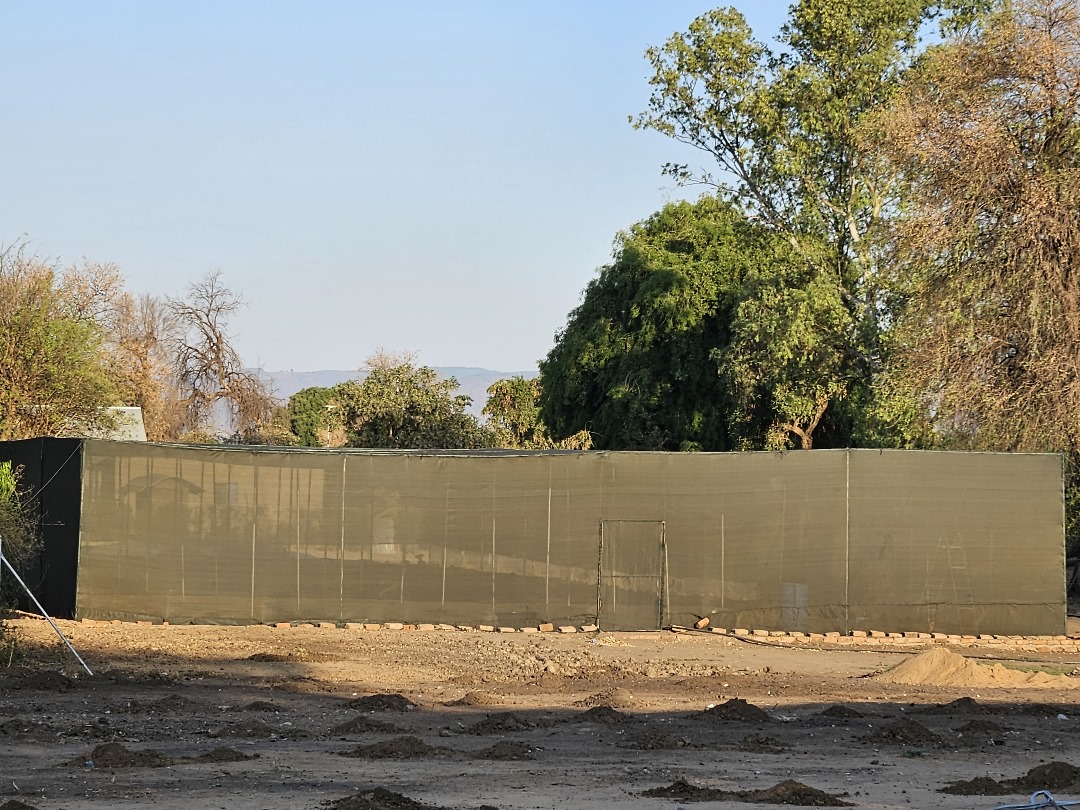
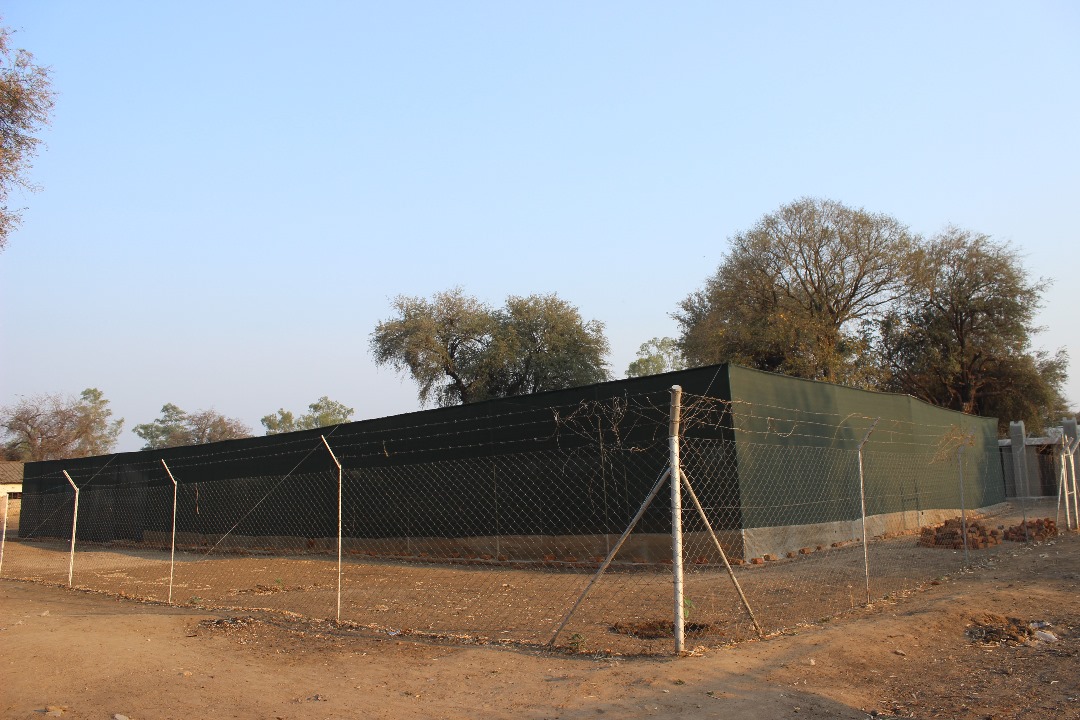
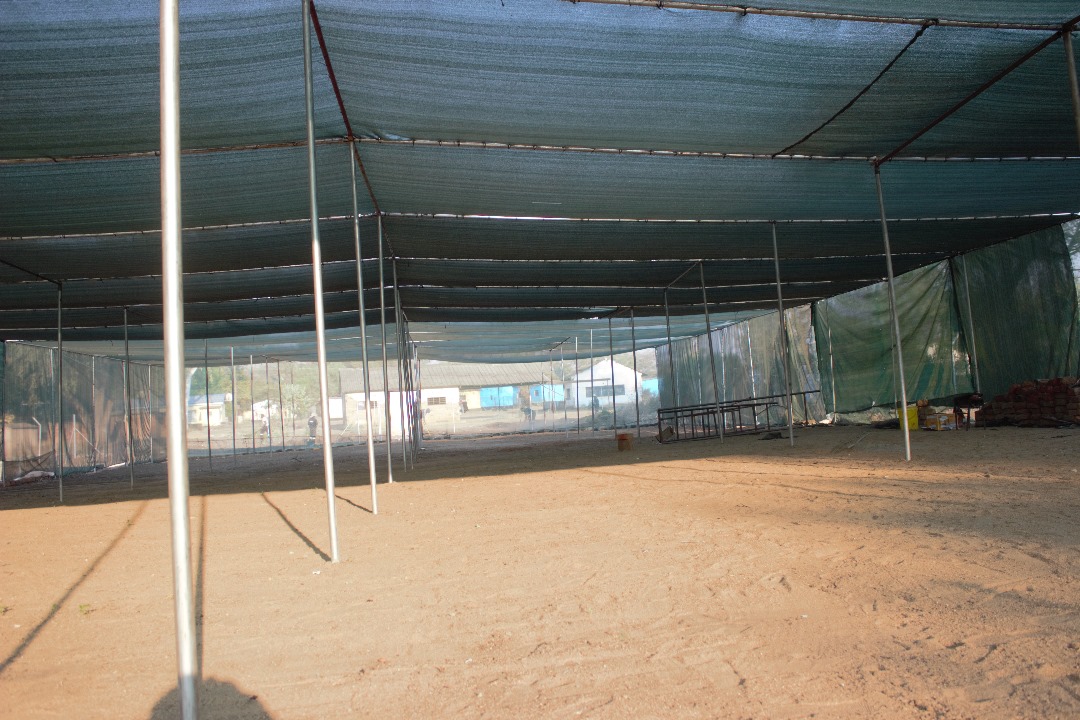
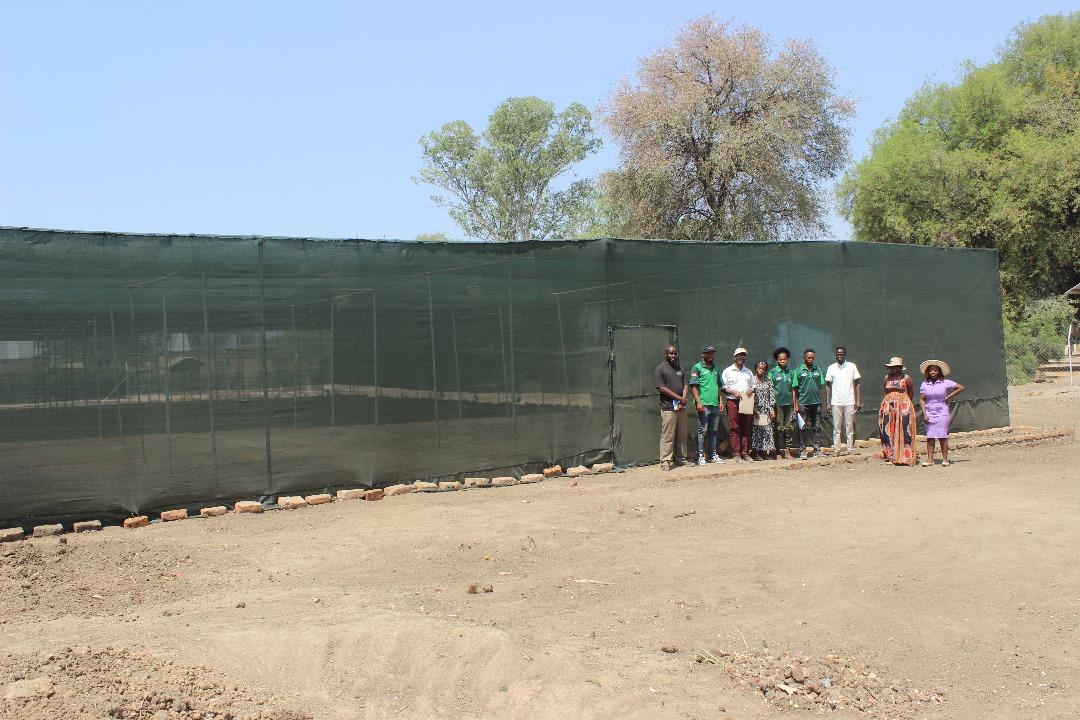
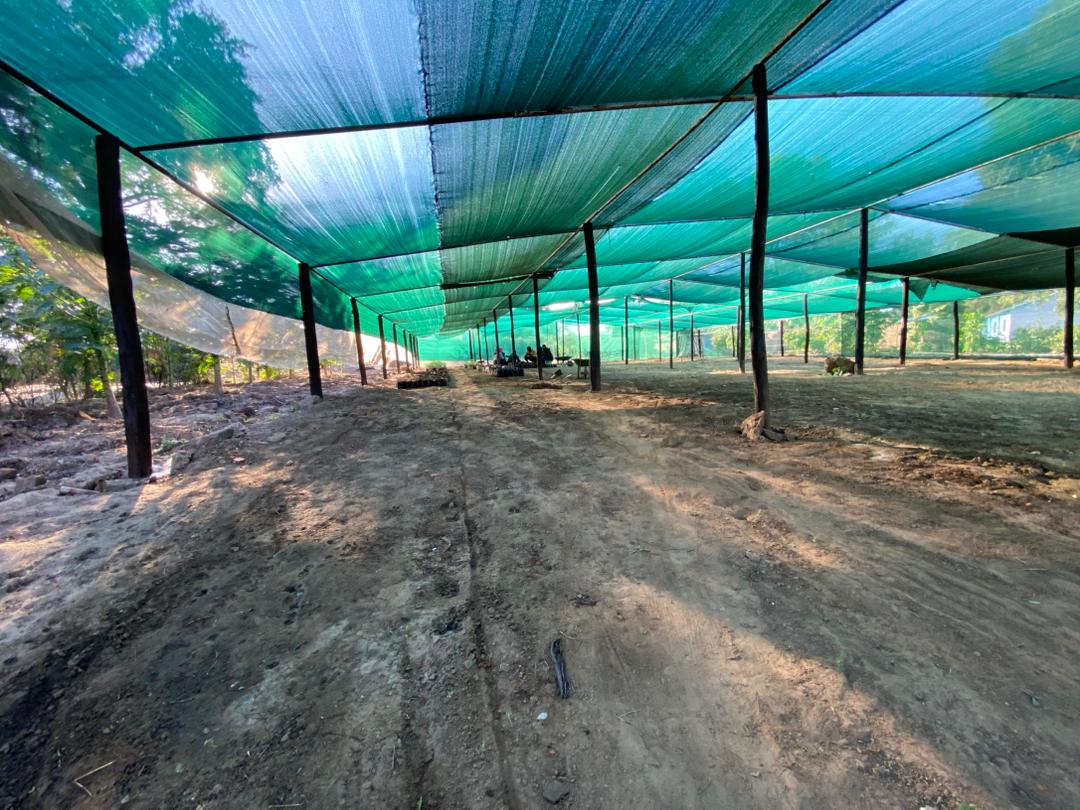
In 2025, RCCA launched its most ambitious environmental project yet—the construction of an 800-square-metre community nursery.
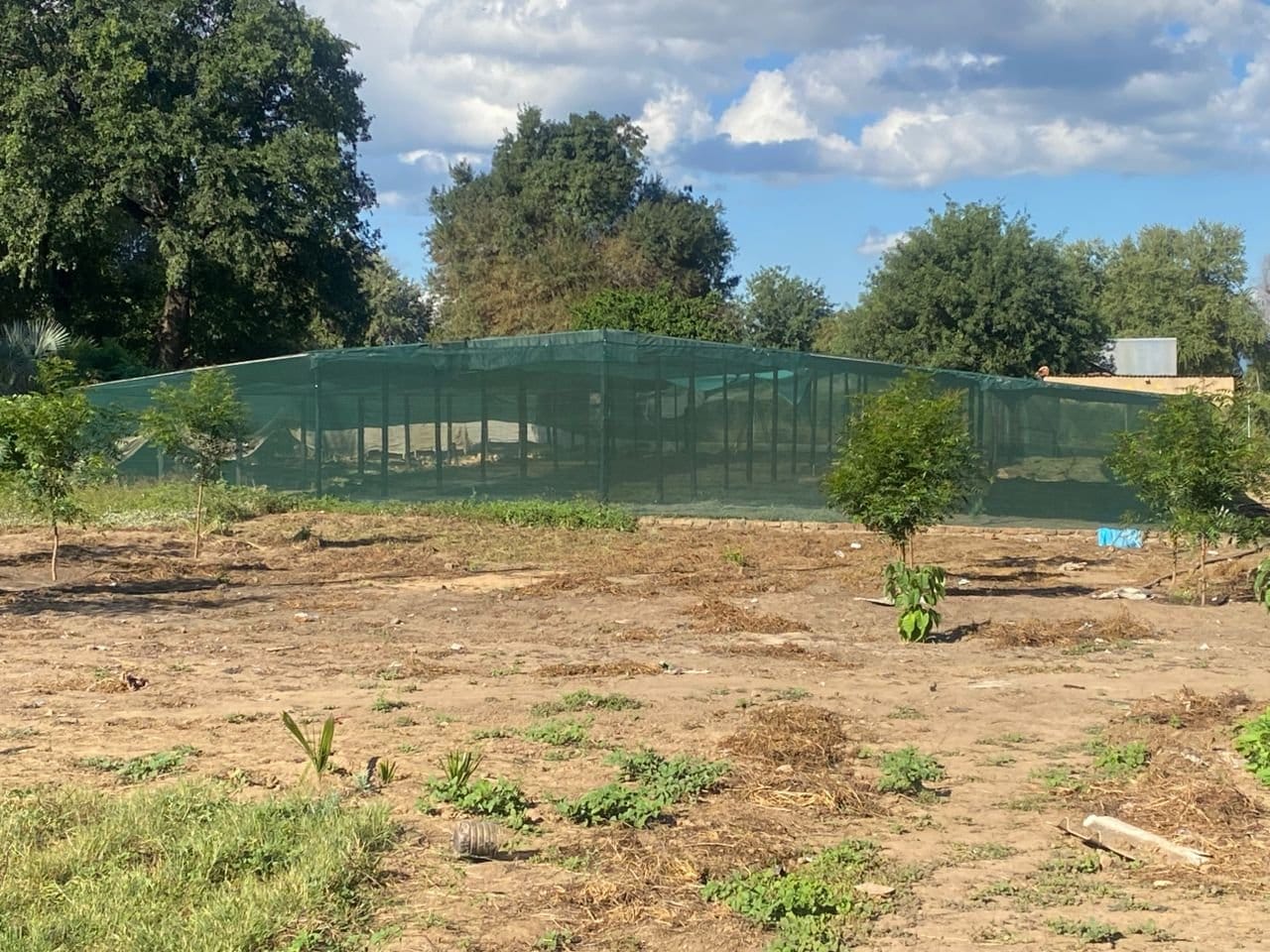
This achievement became possible through the collective support of; Cohere, Children's Rights Innovation Fund (CRIF), GlobalGiving, UNHCR Zimbabwe, and Tongogara Settlement Authority. The Settlement Administrator played an important role by allocating RCCA a secure, fenced piece of land where the nursery could be developed.
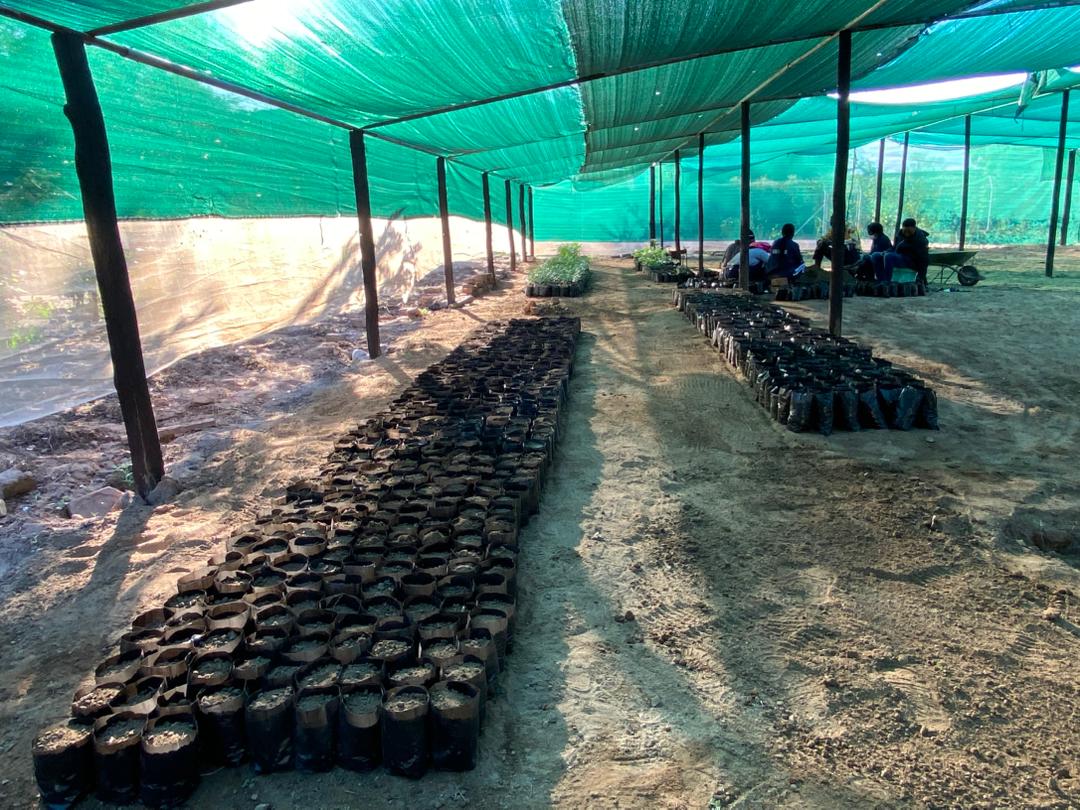
Funding supported the construction of nursery structures, protective shade netting, sanitation facilities, and the infrastructure required to begin large-scale seedling production. What had started as a small nursery had now become a major environmental hub capable of producing 20,000–25,000 tree seedlings every year, with the potential to increase production to 30,000 seedlings annually through additional investment.
More Than a Nursery
Our nursery is not simply a place where trees grow.
It is a community development centre designed to create lasting environmental and economic impact.
Through this initiative, RCCA aims to:
Generate Sustainable Income
Sell tree seedlings commercially to generate income that supports RCCA's environmental programmes and strengthens the long-term sustainability of our organisation.
Promote Climate-Smart Agriculture
Expand into vegetable and flower production to improve household nutrition, food security, and youth livelihoods while demonstrating sustainable farming practices.
Restore the Environment
Produce indigenous and fruit tree seedlings that support reforestation, biodiversity, and environmental restoration throughout Tongogara Refugee Settlement and neighbouring communities.
Build Climate Resilience
Distribute thousands of free seedlings to households, schools, and community institutions, helping communities adapt to climate change while restoring degraded landscapes.
Recognition and Learning
As the nursery grew, it attracted increasing interest from partners and supporters.
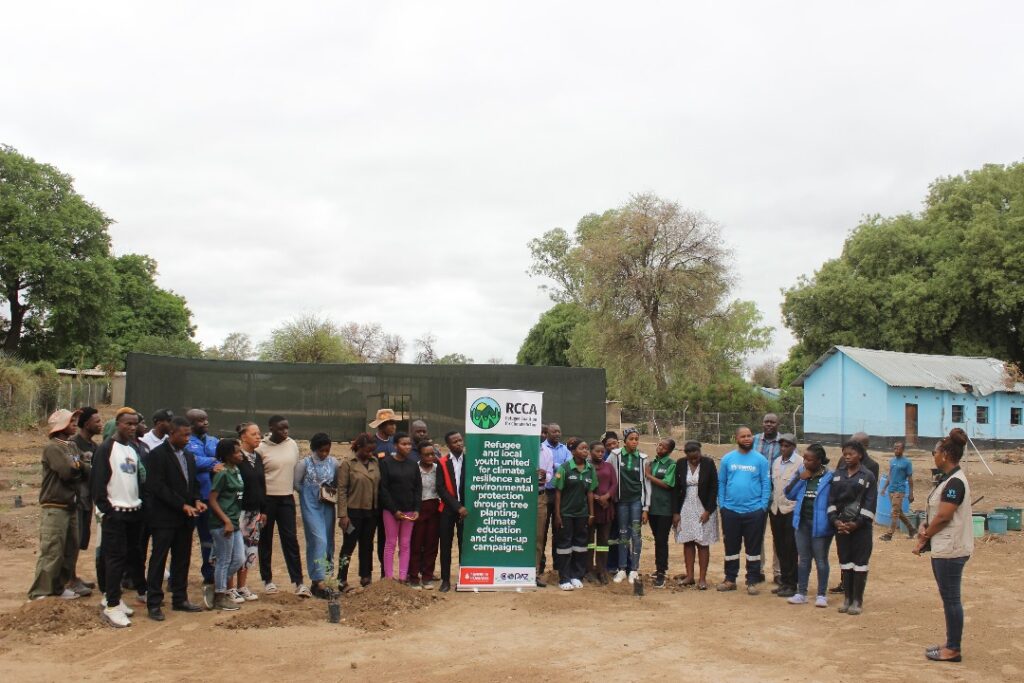
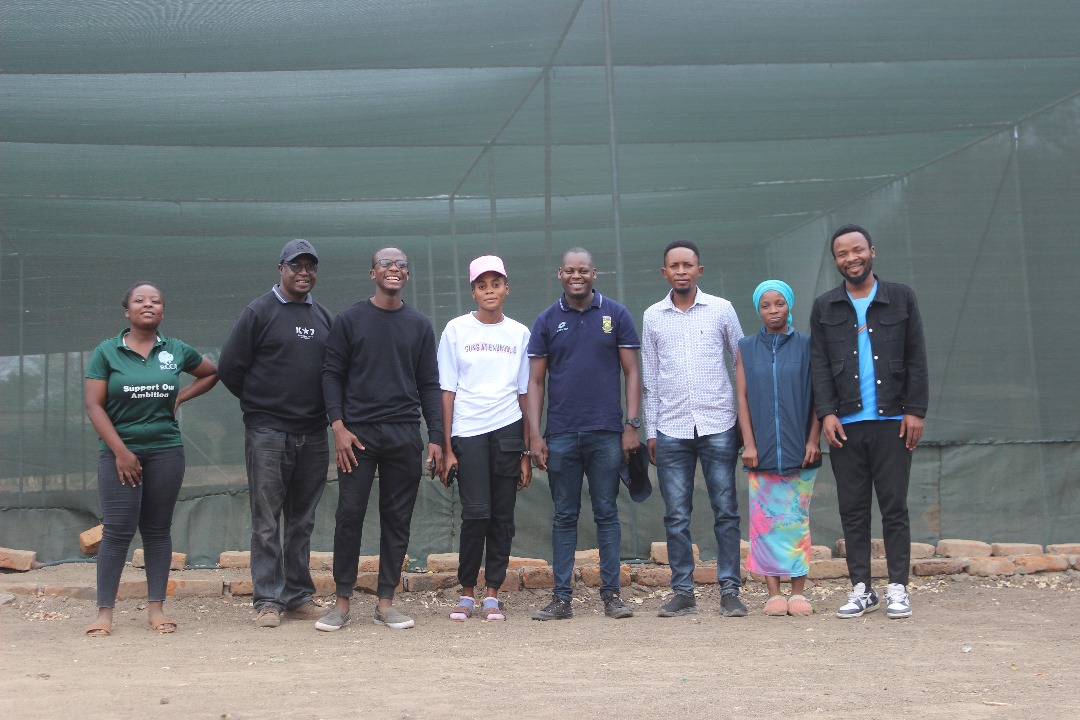
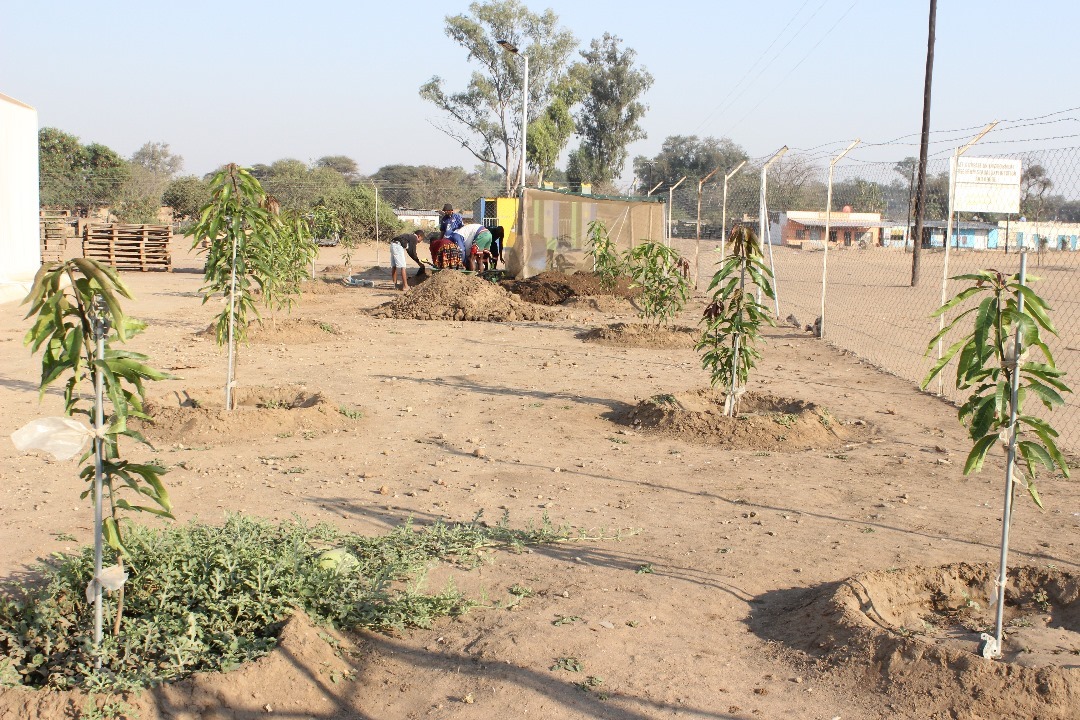
During project monitoring visits, representatives from Terre des Hommes Germany visited RCCA to learn about our climate action work and observe the transformation of a former community dumpsite into a thriving nursery.
The visit concluded with a symbolic tree planting ceremony—a tradition encouraged by the Settlement Authority to leave a living legacy for every official delegation.
The nursery also became the focus of discussions with Africa University’s TAGDev 2.0 programme, exploring opportunities to strengthen vocational skills training in nursery management and climate-smart agriculture for refugee youth.
These engagements reinforced confidence that refugee-led initiatives can deliver practical, sustainable solutions to environmental challenges.
When Disaster Struck
Just as the nursery reached an important milestone, disaster struck.
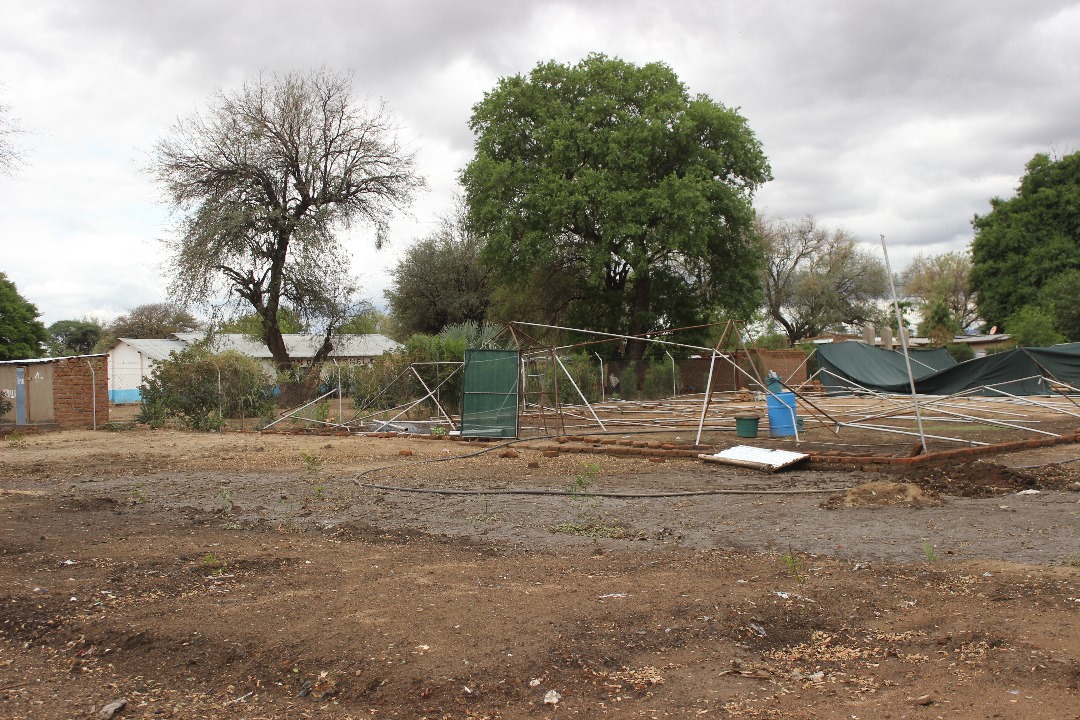
On 2 November 2025, Tongogara Refugee Settlement experienced one of the most destructive storms in recent years.
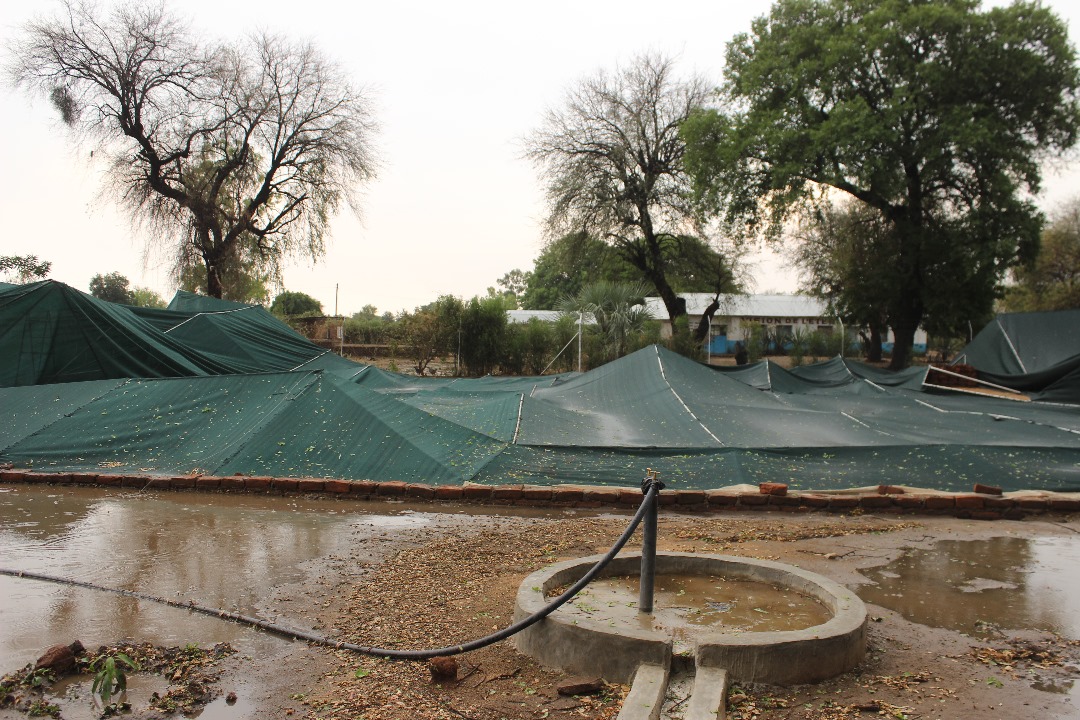
After several days of extreme heat, with temperatures reaching 40–44°C, violent winds, hail, and heavy rain swept across the settlement.
The storm damaged more than 150 structures, including homes, community facilities, and public infrastructure.
Among them was the RCCA nursery.
Within less than an hour, months of hard work were destroyed.
Steel posts collapsed.
The protective nursery structure was flattened.
Nearly 500 newly prepared seedlings were lost during their earliest stage of growth, along with many mature seedlings ready for planting.
For our young volunteers, watching the nursery collapse was heartbreaking.
The disaster served as a painful reminder that the communities contributing the least to climate change are often those most severely affected by its consequences.
Choosing Resilience
Although devastated, RCCA refused to give up.
We reached out to partners and supporters around the world.
Many expressed their encouragement and willingness to help, but like countless organisations worldwide, they were facing the effects of shrinking humanitarian funding and global aid cuts.
At one of our most difficult moments, the Pollination Project Foundation once again stood beside us.
Through a grant of US$1,000, they provided the support that allowed RCCA to begin rebuilding.
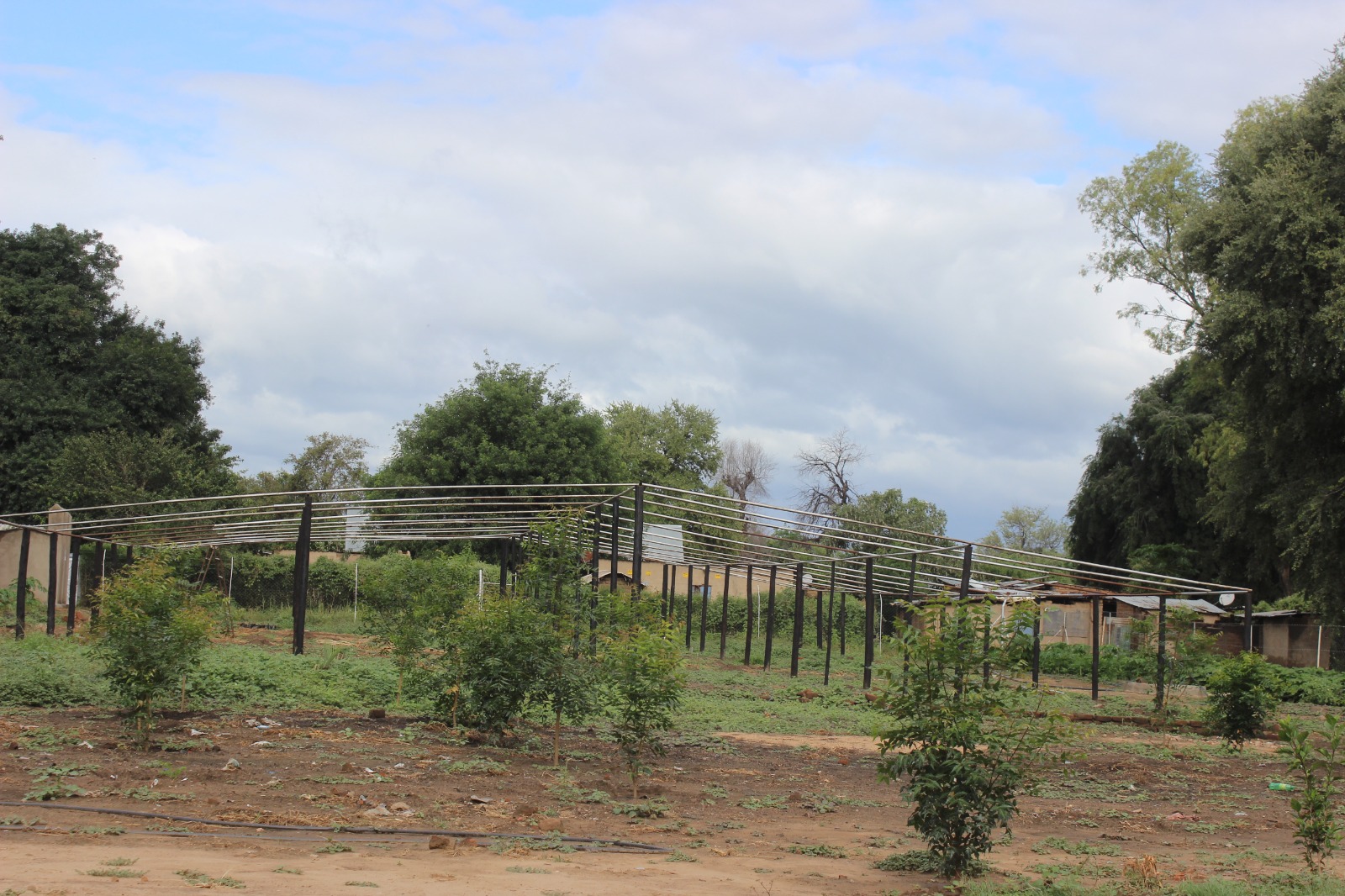
Instead of simply replacing what had been lost, we committed ourselves to building back stronger.
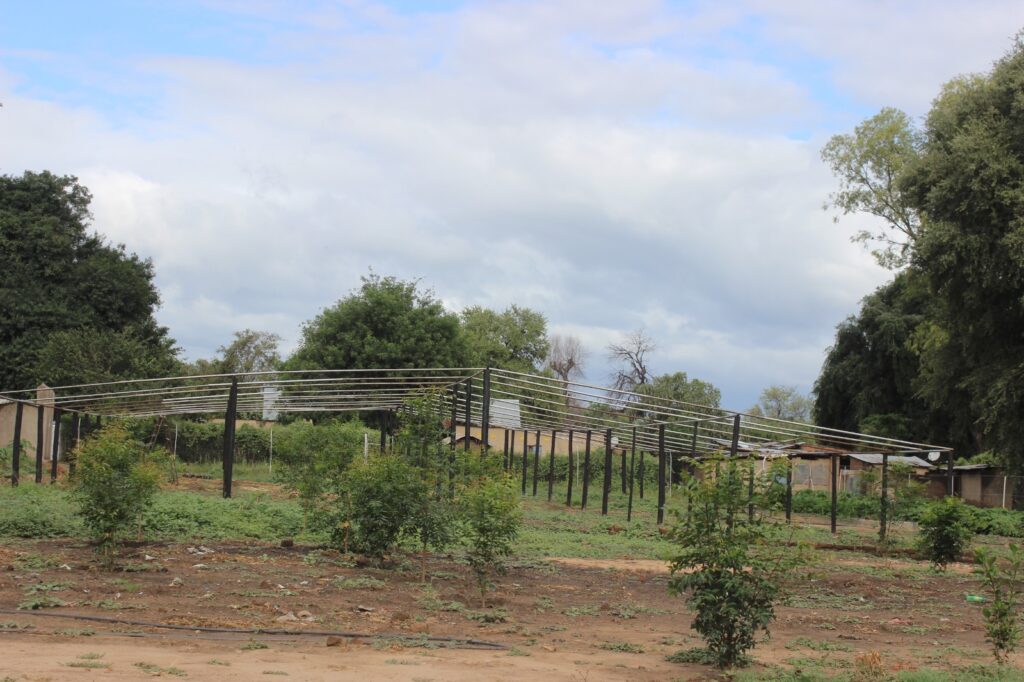
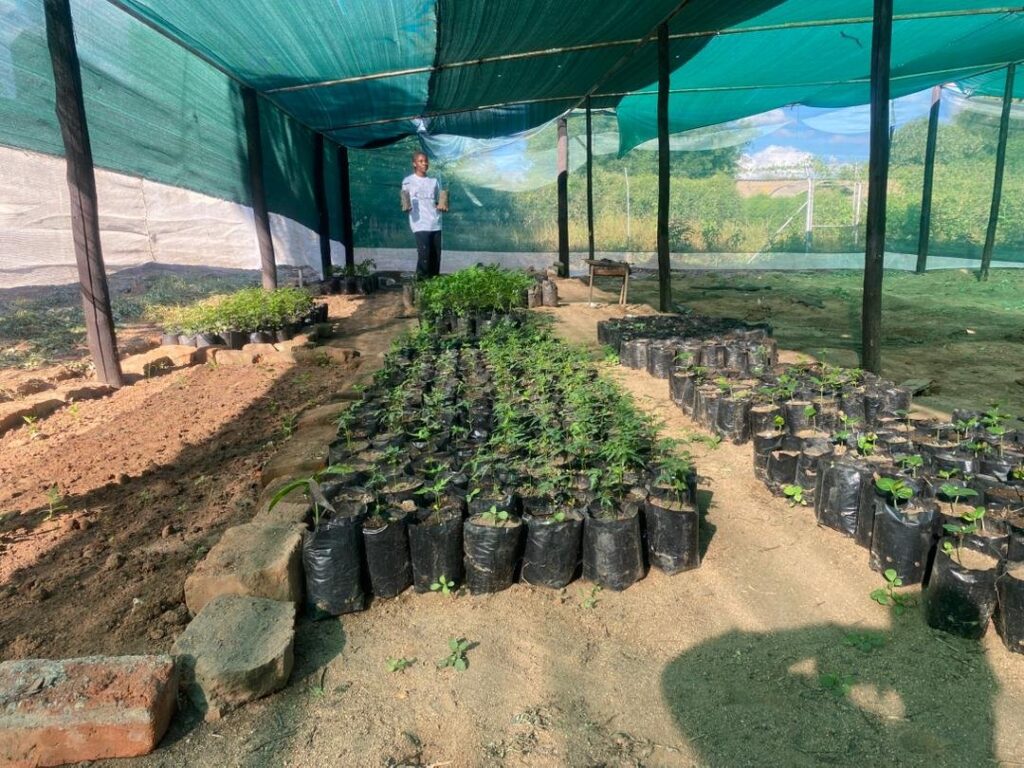
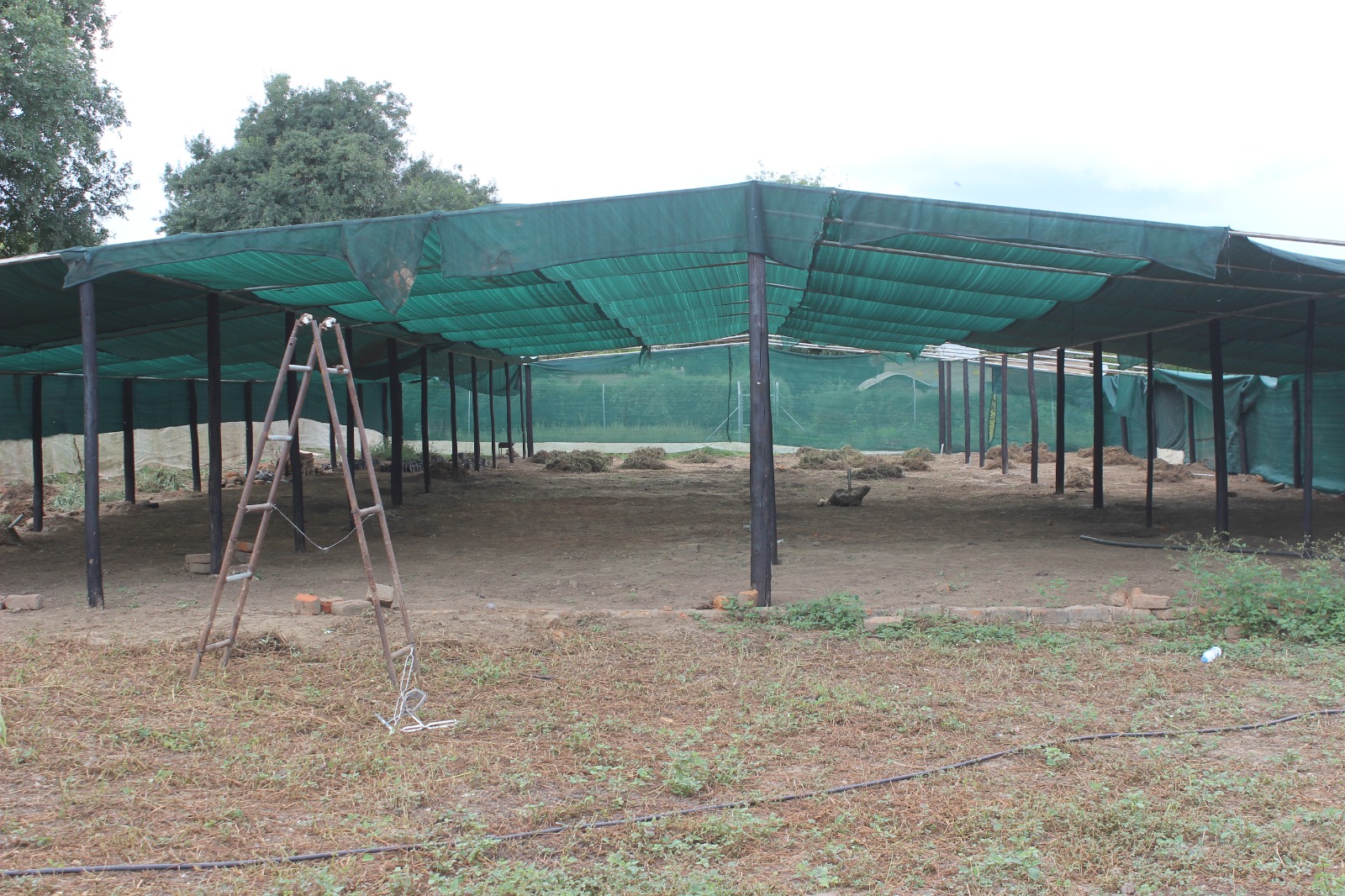
With determination, volunteer labour, and community support, the nursery rose again.
Today, it stands stronger than before.
Looking Ahead
Our rebuilt nursery now serves as the foundation for RCCA’s long-term vision of environmental restoration and sustainable community development.
Our current goal is to produce and plant at least 10,000 tree seedlings every year, with the capacity to scale production to 25,000–30,000 seedlings annually as new partnerships and investments become available.
Every seedling represents cleaner air, healthier ecosystems, improved food security, stronger livelihoods, and greater resilience against climate change.
The nursery is not only restoring landscapes—it is restoring hope.
Our Journey in Pictures
Explore the milestones, challenges, and achievements that shaped the RCCA Community Nursery—from a small dream to a growing symbol of hope and resilience.
How You Can Help
The journey is far from over.
With additional support, RCCA can expand seedling production, strengthen climate resilience programmes, train more young environmental leaders, and restore even more degraded land across Tongogara Refugee Settlement.
Whether you are an individual donor, organisation, foundation, or corporate partner, your support can help grow lasting environmental impact.
Together, we can ensure that no community is left behind in the fight against climate change.
Support Our Work
Whether you are a donor, partner, volunteer, advocate, or supporter, your involvement helps empower refugee communities to lead environmental and social change.